
Fishing Knots 101
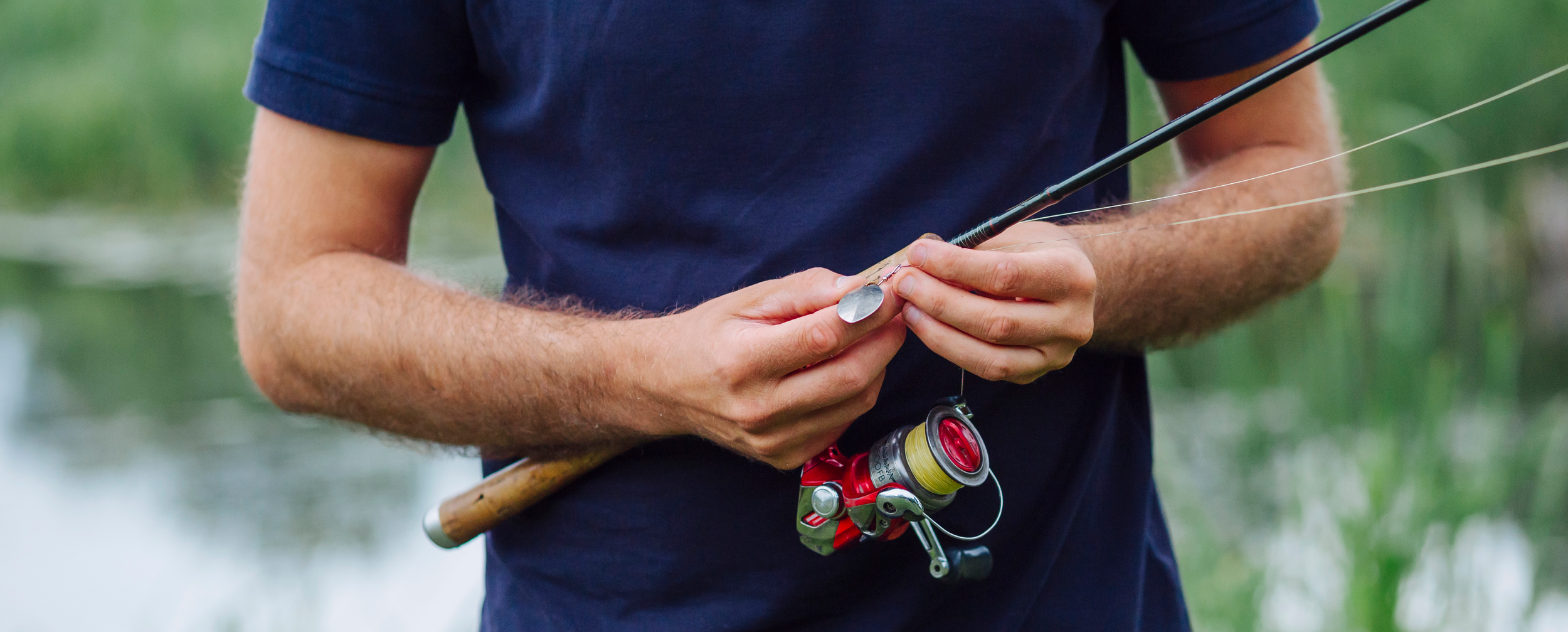
Tying the right knot can be the difference between landing your next big catch—or watching it swim away. Whether you’re new to fishing or looking to refine your technique, mastering a few key knots will make you a more efficient and confident angler. Below are seven essential knots every fisherman should know, along with video tutorials to follow along with.
1. Double Clinch Knot (Single Line)
The Double Clinch Knot is a favorite among anglers looking for added strength—perfect for smaller-diameter monofilament or fluorocarbon lines. It doubles the line through the eye of the hook, reducing slippage and increasing security.
Best for:
Securing terminal tackle, lures, and swivels
Targeting large or strong fish on lighter line
Adding strength when using fine-diameter mono or fluorocarbon
2. Fisherman’s Knot (Single Line)
The Fisherman’s Knot—or the True Fisherman’s Knot—is commonly used to join two lines of similar diameter, making it ideal for leader connections or length extensions. It works well for both mono and fluoro, but slicker braid may require extra twists or a double variation.
Use it for:
Creating leaders by joining two lines
Building or mending nets
Making reliable, compact connections
4. Double San Diego Jam Knot
The Double San Diego Jam Knot delivers unmatched strength and is trusted by both saltwater and freshwater anglers for big fish scenarios. It’s reliable for mono, fluoro, or braid and perfect when heavy line pressure matters most.
Ideal for:
Saltwater gamefish like tuna
Heavy jigs, swimbaits, and terminal tackle
Any setup requiring maximum knot security
8. Snell Knot
The Snell Knot is a powerhouse for big hook setups. It aligns perfectly with the hook shank to deliver unbeatable hook-setting power and a direct line pull—ideal for live bait or flipping setups.
Perfect for:
Circle and octopus hooks
Heavy cover or structure fishing
Both freshwater and saltwater presentations
3. Blood Knot
A classic for fly anglers, the Blood Knot is perfect for connecting lines of equal diameter, especially when building tapered leaders or joining a tippet. It’s strong, slim, and passes smoothly through rod guides.
Use it when:
Constructing custom leaders
Adding tippet sections to fly lines
You need a clean, snag-free connection
5. Improved Surgeon’s Knot
The Improved Surgeon’s Knot is a dependable, quick-to-tie connection for joining lines of similar or varying diameters. Fly fishermen frequently use it for attaching leaders and tippets.
When to use:
Tying leader-to-line connections
Joining uneven line sizes
Cold or wet conditions when simpler knots are easier to tie
6. Half Hitch Knot
Simple yet useful, the Half Hitch Knot serves as a quick way to secure your line or backup another knot. While not strong on its own, it’s often used in series for tying rigs or finishing flies.
Best for:
Temporary knots or securing tag ends
Fly tying and rig finishing
Quick adjustments in the field
7. Loop Knot
Loop knots give your lure or bait free movement for a more lifelike presentation. They are perfect for creating action on jigs, soft plastics, or flies.
Use when:
You want more freedom and motion in your lure’s action
Attaching streamers or crankbaits
Setting up dropper rigs or mid-line loops
Whether you’re casting for trout or tackling trophy bass, mastering these knots ensures your line and lure stay connected when it matters most. Bookmark this guide and practice regularly—strong, clean knots are what keep fish stories from becoming “the one that got away.”
Follow us on online


